
 ENG
ENG
 POL
POL


Przesyłanie tekstów
Autorzy proszeni są o sprawdzenie czy tekst spełnia poniższe kryteria. Teksty, które nie spełniają wymagań redakcyjnych mogą zostać odrzucone.
- Akceptuję zapisy Oświadczenia Autora i Informację o przetwarzaniu danych osobowych
- Artykuł ma charakter naukowy i zawiera nowe ustalenia badawcze
- Jego tematyka jest zgodna z celami i zakresem czasopisma
- Tytuł jest zgodny z zawartością artykułu
- Artykuł nie jest powtórzeniem ani kompilacją wcześniejszych artykułów, w tym artykułów tego samego autora (recykling tekstów)
- Artykuł nie był wcześniej opublikowany
- Artykuł nie został wcześniej ani jednocześnie zgłoszony w innych wydawnictwach
- Określono: cel pracy, hipotezę (wskazane), problem badawczy, pytania badawcze, stosowane metody badawcze; założone cele zrealizowano.
- Język opracowania jest poprawny, jasny i precyzyjny
- Przywoływana literatura prezentuje najnowszy stan wiedzy w danej dziedzinie
- Końcowe wnioski artykułu są logiczne i oryginalne
- Plik został starannie przygotowany zgodnie z wytycznymi dla Autorów
- Artykuł został podzielony na części i ma poprawną strukturę
-
Odsyłacze do literatury i bibliografię przygotowano zgodnie z zasadami stylu APA, edycja 7
- Elementy graficzne wyposażono w tekst zastępczy.
Wytyczne dla autorów
Procedura przyjmowania i publikowania artykułów ↑
- Zgłoszenia prosimy przesyłać przez formularz systemu OJS. Przesłane teksty są wstępnie oceniane przez sekretarza redakcji pod kątem zgodności z wymaganiami BTiP. W przypadku braków formalnych zostają odesłane do autora celem ich poprawy/uzupełnienia.
- Artykuł kompletny i zgodny z zasadami BTiP pod względem technicznym zostaje skierowany do oceny merytorycznej redaktora naczelnego i redaktora tematycznego, w zależności od dyscypliny naukowej (nauki o bezpieczeństwie, nauki o zarządzaniu i jakości, ewentualnie poszerzone o nauki o polityce i administracji oraz stosunki międzynarodowe).
-
Kryteria oceny artykułu:
- Zgodność z celami i zakresem czasopisma
- Charakter naukowy opracowania
- Zgodność tytułu z zawartością
- Poprawność struktury artykułu.
- Charakter twórczy opracowania.
- Określenie: celu pracy, hipotezy (wskazane), problemu badawczego, pytań badawczych, stosowanych metod badawczych
- Realizacja założonych celów
- Nowe ustalenia i wartość dla świata nauki
- Język opracowania – poprawność, jasność precyzja
- Dobór literatury i poprawność opisów bibliograficznych
- Logiczność wyprowadzonych wniosków i ich oryginalność
- Artykuł zaakceptowany pod względem merytorycznym zostaje poddany badaniu w systemie antyplagiatowym.
Raport podobieństwa systemu jest szczegółowo analizowany. Jeśli wskazuje na konieczność tylko drobnych uzupełnień (np. cudzysłowy, dodanie odsyłaczy), zostaje przesłany do Autora z prośbą o wprowadzenie poprawek. W przypadku wykrycia plagiatu o opinię proszony jest dział prawny UAFM.
- Następnie artykuł podlega ocenie przez dwóch recenzentów. Autorzy i recenzenci nie znają swoich tożsamości (double-blind peer review). Zanonimizowane materiały są przed wysyłką do recenzentów są przygotowywane zgodnie z zaleceniami Elsevier
Szczegóły procedury recenzowania
Stosowany jest formularz recenzji.
Recenzenci mogą:
- zaakceptować tekst bez uwag,
- nakazać wprowadzenie koniecznych poprawek (i ew. wskazać konieczność przesłania im poprawionej wersji artykułu do ponownej recenzji),
- odrzucić artykuł jako nienadający się do publikacji w BTiP (recenzja negatywna).
- Z recenzjami zapoznaje się redaktor naczelny i redaktor tematyczny (redaktor numeru), następnie recenzje (w wersji zanonimizowanej, bez danych umożliwiających identyfikację recenzentów) zostają przesłane do autorów.
- Jeśli w recenzji wskazano konieczność wprowadzenia zmian, Autorzy w korespondencji otrzymują termin na odpowiedź i przesłanie poprawionej wersji pliku.
- Autor ma prawo odnieść się do uwag w recenzji negatywnej. Każdy taki przypadek jest indywidualnie rozpatrywany przez redaktora naczelnego.
- W przypadku jednej recenzji negatywnej, ostateczną decyzję podejmuje redaktor naczelny. Może odrzucić tekst lub skierować go do trzeciego recenzenta, którego opinia będzie decydująca.
- Dwie recenzje negatywne oznaczają całkowite odrzucenie tekstu. Nie przewidziano procedury poprawy artykułu po dwóch recenzjach negatywnych.
- Artykuł z poprawkami po recenzjach przechodzi redakcję językową. Autor otrzymuje końcową wersję pliku tekstowego ze znacznikami zmian do akceptacji. W korespondencji określany jest termin odpowiedzi.
- Teksty zgłaszane do publikacji są oceniane przez Redakcję pod względem: technicznym, formalnym i merytorycznym. Kwestie takie jak: rasa, płeć, wyznanie, pochodzenie etniczne, obywatelstwo czy przekonania polityczne Autorów nie wpływają na ocenę artykułów. Jeśli Autor podejrzewa, że nie dotrzymano tej zasady, może zgłosić zażalenie do Redaktora Naczelnego czasopisma na adres achodynski@uafm.edu.pl.
Przygotowanie plików ↑
Przyjmowane są teksty w języku polskim i angielskim.
Objętość artykułu: 20 do 40 tysięcy znaków ze spacjami (łącznie z bibliografią)
Format pliku: plik programu Microsoft Word fromatu .doc lub .docx
Artykuły w plikach pdf nie będą rozpatrywane.
Pliki wymagane przy zgłoszeniu
Autorzy są zobowiązani do przesłania następujących plików:
- Strona tytułowa
Strona tytułowa powinna zawierać:
imię i nazwisko każdego Autora;
stopień lub tytuł naukowy każdego Autora;
afiliację każdego Autora, obejmującą nazwę uczelni, szpitala, instytutu badawczego, instytucji publicznej, organizacji lub innego podmiotu, z którym Autor jest związany;
kraj afiliacji;
identyfikator ORCID każdego Autora;
adres e-mail Autora korespondencyjnego;
oświadczenie o wkładzie Autorów (z wykorzystaniem taksonomii CRediT https://www.elsevier.com/researcher/author/policies-and-guidelines/credit-author-statement);
oświadczenie o finansowaniu;
oświadczenie o zatwierdzeniu etycznym (jeżeli dotyczy);
oświadczenie o świadomej zgodzie uczestników badania (jeżeli dotyczy);
oświadczenie o dostępności danych;
deklarację dotyczącą wykorzystania generatywnej sztucznej inteligencji;
podziękowania (jeżeli dotyczy);
oświadczenie o konflikcie interesów.
Jeżeli Autorzy nie korzystali z generatywnej sztucznej inteligencji ani technologii wspomaganych przez AI, należy zamieścić następujące oświadczenie:
„Autorzy oświadczają, że podczas przygotowywania niniejszego manuskryptu nie korzystali z generatywnej sztucznej inteligencji ani technologii wspomaganych przez sztuczną inteligencję.”
Jeżeli Autorzy korzystali z technologii wspomaganych przez AI, należy zamieścić następujące oświadczenie:
„Podczas przygotowywania niniejszego manuskryptu autorzy korzystali z narzędzia [nazwa narzędzia, wersja] w celu [dokładne określenie sposobu wykorzystania]. Następnie autorzy zweryfikowali i zredagowali treść oraz ponoszą pełną odpowiedzialność za ostateczną wersję manuskryptu.”
Autorzy pozostają w pełni odpowiedzialni za poprawność, oryginalność, integralność, piśmiennictwo, dane oraz ostateczną treść manuskryptu.
- Anonimowy plik z tekstem artykułu
Plik z tekstem głównym artykułu powinien być zanonimizowany (nie może zawierać informacji bezpośrednio identyfikujących Autorów).
Oprócz usunięcia danych z nagłówków należy zadbać, by identyfikacja autora nie była możliwa na podstawie przypisów (należy unikać konstrukcji typu: „Jak pisałem/am w swoim poprzednim opracowaniu…” itp.).
Plik manuskryptu powinien zawierać:
tytuł artykułu w języku angielskim;
tytuł artykułu w języku polskim;
abstrakt w języku angielskim (1000 znaków);
abstrakt w języku polskim (1000 znaków);
3–7 słów kluczowych w języku angielskim;
3–7 słów kluczowych w języku polskim, jeżeli dotyczy;
główny tekst artykułu;
bibliografię;
tabele, ryciny, wykresy i ilustracje umieszczone możliwie blisko pierwszego odwołania w tekście.
3) Rysunki i fotografie mają być dostarczone w osobnych plikach graficznych w formacie: .jpg, .bmp, .tif, lub .psd.
Redakcja BTiP nie wymaga na etapie pliku tekstowego programu Word określonej czcionki, interlinii czy marginesów. Autor może użyć preferowanego formatowania – pod warunkiem, że plik jest przygotowany starannie, czytelny i przejrzysty. Przyjęte artykuły są publikowane w profesjonalnie przygotowanych plikach pdf, zgodnie z projektem czasopisma. Terminy i wyrażenia obcojęzyczne oraz tytuły artykułów i książek należy pisać kursywą (italic), nie stosować wytłuszczeń (bold) i podkreśleń. Prosimy o konsekwentne stosowanie skrótów. Artykuł należy podzielić śródtytułami na części: prosimy rozpocząć od „Wprowadzenia”, a na końcu umieścić „Podsumowanie”.
Rysunki
Rysunki i fotografie mają być dostarczone w osobnych plikach graficznych w formacie: .jpg, .bmp, .tif, lub .psd.
Ilustracje zaczerpnięte z innych prac i podlegające ochronie prawa autorskiego muszą być opatrzone informacją bibliograficzną w postaci odsyłacza w podpisie rysunku.
Wykresy i tabele
Prosimy o oddzielne numerowanie tabel i wykresów. Prosimy unikać wykresów trójwymiarowych ze względu na mniejszą czytelność. Wykresy powinny być dostarczone w osobnych plikach programu Excel.
Tytuł (podpis) – podpisy umieszczamy pod wykresami, tytuły – nad tabelami.
Przypisy do treści tabeli należy umieścić wewnątrz tabeli, przypisy do rysunku – pod rysunkiem.
Źródło – pod każdą tabelą i wykresem musi być podane pełne źródło danych. Dopuszczalne są określenia: „opracowanie własne” lub „opracowanie własne na podstawie…”.
Zapowiedź – każda tabela/wykres powinny zostać zapowiedziane w tekście pełnym zdaniem, co umożliwia umieszczenie tabeli/rysunku w miejscu dogodnym dla autora i wydawnictwa.
Tekst alternatywny (Alt Text)
Zgodnie ze standardami dostępności (Web Content Accessibility Guidelines, WCAG), prosimy o dołączenie do każdej grafiki (zdjęcia, wykresu, rysunku) tekstu alternatywnego (Alt Text). Jest on odczytywany przez czytniki ekranowe osób niewidomych i słabowidzących.
Tekst alternatywny ma zwięźle opisywać (1–2 zdania, maksymalnie 150 znaków), co faktycznie widać na obrazie, a nie interpretować go. Jest uzupełnieniem podpisu pod grafiką, a nie jego powtórzeniem.
Prosimy o umieszczenie tekstu alternatywnego w nawiasie kwadratowym bezpośrednio pod podpisem grafiki, np.:
Podpis: Rys. 1. Struktura organizacyjna firmy X.
[Alt Text: Schemat blokowy pokazujący podział na 4 działy z prezesem na szczycie struktury].
Przypisy i bibliografia ↑
Obowiązują odsyłacze w systemie APA edycja 7.
W systemie APA powołanie na dane źródło występuje w nawiasie bezpośrednio w tekście głównym, bez przypisu dolnego. Pełny opis bibliograficzny źródła pojawia się tylko w bibliografii załącznikowej na końcu artykułu.
Prawa autorskie
Prawa autorskie i licencja
Autorzy publikowanych artykułów zachowują prawa autorskie do swoich prac bez ograniczeń. Na podstawie podpisanego oświadczenia, składanego wraz z artykułem, Autorzy wyrażają zgodę na nieodpłatne i nieograniczone czasowo udostępnienie Utworu Wydawcy na zasadach licencji Creative Commons CC BY-NC-ND 4.0 Międzynarodowa (Uznanie autorstwa – Użycie niekomercyjne – Bez utworów zależnych) w celu zamieszczenia Utworu w repozytorium Wydawcy, na stronie internetowej czasopisma i udostępnienia go w Internecie w innych bazach artykułów naukowych w ramach Open Access.
Oświadczenie autora
Czasopismo jest publikowane w otwartym dostępie – wszystkie treści są dostępne bezpłatnie dla czytelników indywidualnych i instytucji.
Od rocznika 2025 artykuły publikowane są na licencji Creative Commons CC BY-NC-ND 4.0 Międzynarodowa (Uznanie autorstwa – Użycie niekomercyjne – Bez utworów zależnych)
W latach 2020–2024 obowiązywała licencja CC BY-NC-ND 3.0 PL.
Roczniki od 2014 są dostępne w całości na stronie internetowej czasopisma.
Dla roczników od 2007 (pierwszy nr pod tytułem „Problemy Bezpieczeństwa”) do 2013, które były rozpowszechniane tylko w wersji drukowanej, na stronie internetowej dostępne są spisy treści.
Z wydań drukowanych można korzystać w ramach dozwolonego użytku zgodnie z art. 23-35 polskiej Ustawy z dnia 4 lutego 1994 r. o prawie autorskim i prawach pokrewnych , w szczególności art. 29:
„Wolno przytaczać w utworach stanowiących samoistną całość urywki rozpowszechnionych utworów oraz rozpowszechnione utwory plastyczne, utwory fotograficzne lub drobne utwory w całości, w zakresie uzasadnionym celami cytatu, takimi jak wyjaśnianie, polemika, analiza krytyczna lub naukowa, nauczanie lub prawami gatunku twórczości”.
Polityka prywatności
Polityka prywatności
- Uniwersytet Andrzeja Frycza Modrzewskiego w Krakowie („UAFM”) przywiązuje szczególną wagę do poszanowania prywatności użytkowników swoich serwisów. W związku z powyższym UAFM wdraża poniższą Politykę Prywatności i zachęca każdego użytkownika serwisu do zapoznania się z nią.
- Polityka prywatności określa zasady przechowywania i dostępu do informacji na urządzeniach Użytkownika za pomocą plików „Cookies”, służących realizacji usług świadczonych drogą elektroniczną przez UAFM. Korzystając z niniejszego serwisu, potwierdzają Państwo akceptację niniejszej Polityki Prywatności.
- Portal wykorzystuje „Cookies” w celu gromadzenia informacji związanych z korzystaniem z tego serwisu. Pliki typu „Cookies” umożliwiają:
a) dostosowanie serwisu do potrzeb użytkowników,
b) tworzenie statystyk oglądalności podstron serwisu,
c) łatwiejsze administrowanie i monitoring historii wizyt na stronach.
Ten mechanizm gromadzenia informacji można wyłączyć w dowolnym momencie w ustawieniach przeglądarki. Jeśli użytkownik niniejszego serwisu nie zgadza się z zapisywaniem takich danych powinien zmienić ustawienia oprogramowania (przeglądarki internetowej) albo opuścić witrynę. Ustawienia przeglądarki mogą zostać zmienione w szczególności w taki sposób, aby blokować automatyczną obsługę plików „Cookies” w ustawieniach przeglądarki internetowej bądź informować o ich każdorazowym zamieszczeniu „Cookies” na urządzeniu Użytkownika. Szczegółowe informacje o możliwości i sposobach obsługi plików „Cookies” dostępne są w ustawieniach oprogramowania (przeglądarki internetowej). Użytkownik może w każdej chwili usunąć pliki „Cookies” korzystając z dostępnych funkcji w przeglądarce internetowej, której używa. Ograniczenie stosowania plików „Cookies”, może wpłynąć na niektóre funkcjonalności dostępne na stronie internetowej Serwisu.
- Przy korzystaniu z serwisu część danych o użytkowniku może być automatycznie zbierana i przetwarzana przez narzędzia podmiotów zewnętrznych, z których korzysta UAFM. Do celów statystycznych UAFM korzysta z narzędzia Google Analytics, działającego w oparciu o własne pliki „Cookies”. Polecamy zapoznanie się z Polityką Prywatności Google Analytics: https://support.google.com/analytics/answer/6004245?hl=pl.
Dodatkowo wykorzystywane są: wtyczki, przyciski lub inne narzędzia umożliwiające dzielenie się treścią na portalach społecznościowych, takich jak: Facebook, Twitter, filmy z serwisu YouTube.
- UAFM nie odpowiada za politykę prywatności podmiotów zewnętrznych między innymi serwisów, do których zamieszcza linki. Użytkownik powinien zapoznać się z zasadami obowiązującymi u tych podmiotów.
- UAFM przetwarzając dane przestrzega przepisów o ochronie danych osobowych, w tym przepisów rozporządzenia Parlamentu Europejskiego i Rady (UE) 2016/679 z dnia 27 kwietnia 2016 r. w sprawie ochrony osób fizycznych w związku z przetwarzaniem danych osobowych i w sprawie swobodnego przepływu takich danych oraz uchylenia dyrektywy 95/46/WE (tzw. RODO).
- Dane osobowe użytkowników zebrane w celach opisanych w pkt. 3 i 4 niniejszej Polityki Prywatności będą przetwarzane przez okres niezbędny do realizacji danego celu.
- UAFM jest administratorem danych przetwarzanych w związku z korzystaniem z serwisu, z wyłączeniem danych zbieranych przez podmioty zewnętrzne, o których mowa w pkt 5 i 6.
- Użytkownikowi przysługuje prawo do żądania od administratora danych osobowych:
a) dostępu do swoich danych osobowych,
b) ich sprostowania,
c) ograniczenia ich przetwarzania,
d) przeniesienia danych do innego administratora danych,
e) wniesienia sprzeciwu.
10. Użytkownikowi przysługuje również prawo do wniesienia skargi do Prezesa Urzędu Ochrony Danych Osobowych jeśli uzna, że przetwarzanie jego danych osobowych narusza przepisy RODO.
11. Informacje i dane do kontaktów w sprawie danych osobowych:
a) administratorem danych osobowych jest Uniwersytet Andrzeja Frycza Modrzewskiego w Krakowie, ul. Gustawa Herlinga-Grudzińskiego 1, 30-705 Kraków, uafm.edu.pl
b) dane kontaktowe do Inspektora Ochrony Danych: iodo@uafm.edu.pl
12. Wszelkie zmiany dotyczące niniejszej Polityki Prywatności i plików „Cookies” będą udostępniane na niniejszej stronie.
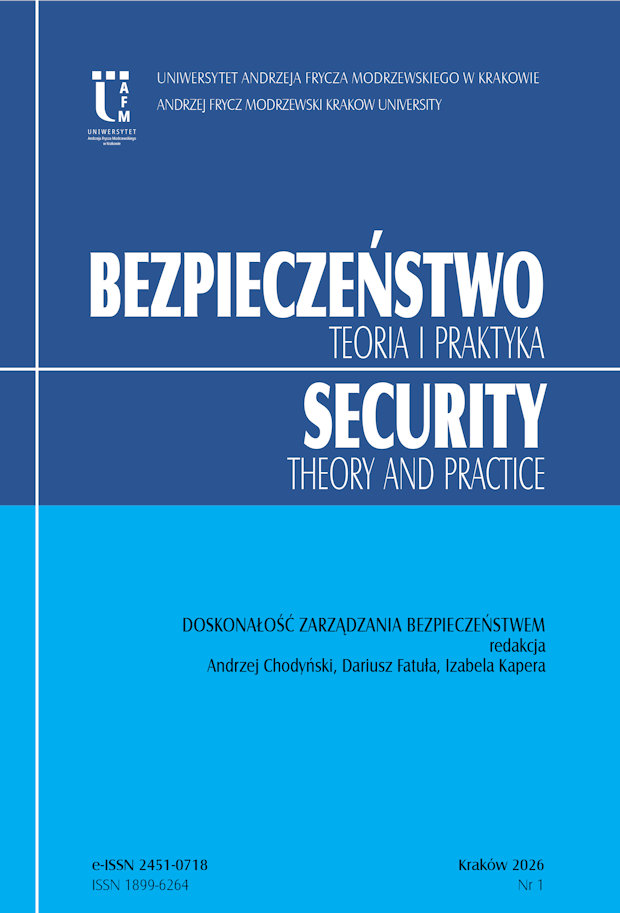
Nr 1 (2026)
Opublikowane: 2026-06-29
eISSN: 2451-0718
 10.31749/2451-0718-btip
